
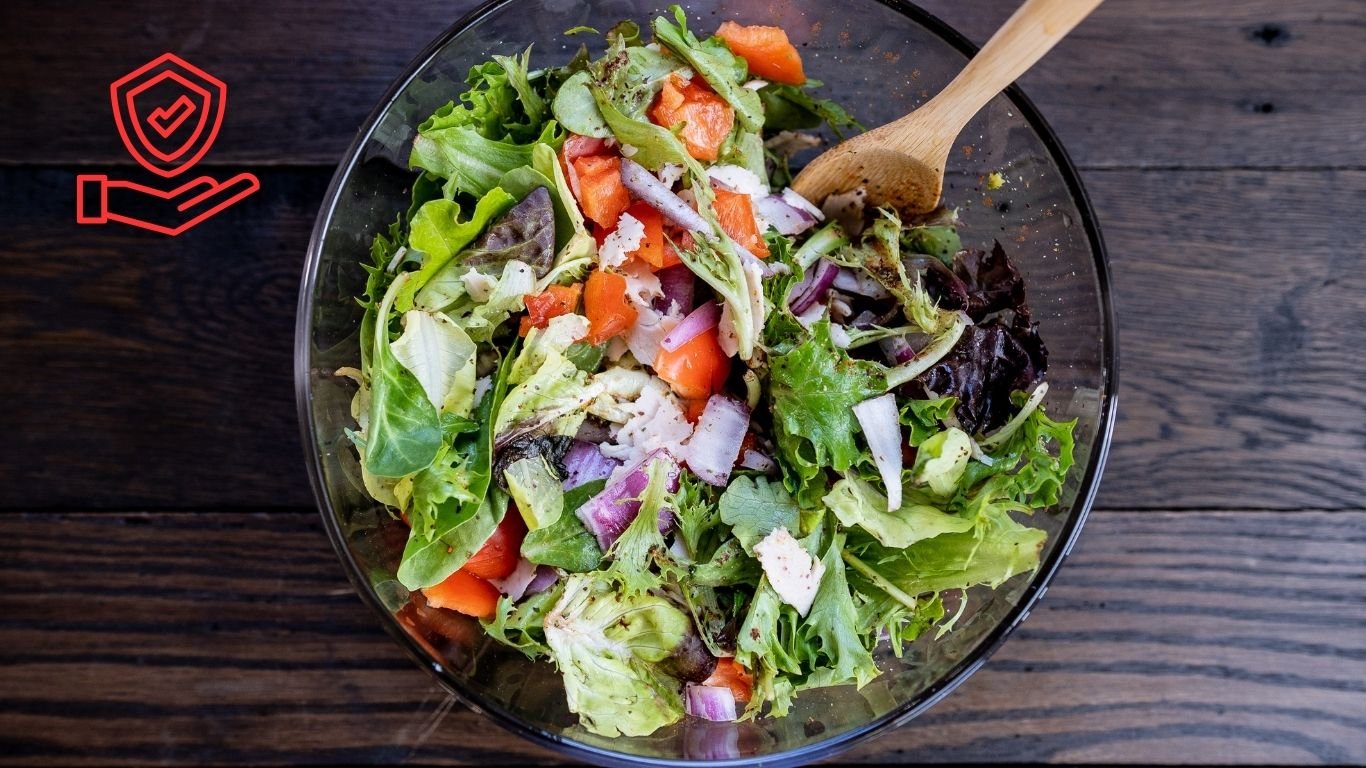
introduction
Gut health is the foundation of overall well-being. Whether you want better digestion, sustained energy, weight control, or a stronger immune system, one nutrient consistently rises above the rest: fiber. In 2025, as more people learn about the gut microbiome and its impact on mental and physical health, fiber is now recognized as a daily essential—not just for digestion but for long-term wellness.
This comprehensive guide explains why fiber matters, how much you need per day, the best high-fiber foods, and how simple daily fiber goals can transform your gut health.
1. Why Fiber Matters More Than Ever in 2025
Fiber is a unique nutrient because the body cannot digest it. While this may sound strange, it is exactly what makes it powerful. Fiber moves through the digestive system like a gentle scrub, cleaning the intestines, feeding healthy gut bacteria, and helping your body function efficiently.
The top benefits of daily fiber intake include:
1.1 Better Digestion and Regular Bowel Movements
Fiber adds bulk to stools, making them easier to pass. This reduces constipation, bloating, irregularity, and discomfort after meals.
1.2 A Stronger Gut Microbiome
Your gut contains trillions of bacteria. Good bacteria thrive on fermentable fiber (also called prebiotic fiber). When they feed on fiber, they produce short-chain fatty acids (SCFAs), which strengthen the gut lining and reduce inflammation.
1.3 Natural Appetite Control & Weight Management
Fiber expands in your stomach, helping you feel full longer. High-fiber meals prevent overeating, reduce sugar cravings, and help keep calories in check.
1.4 More Stable Blood Sugar Levels
Fiber slows down the absorption of carbohydrates. This means fewer sugar spikes, steadier energy, and improved insulin sensitivity.
1.5 Lower Risk of Chronic Disease
Decades of studies show that a high-fiber diet reduces the risk of:
– heart disease
– type 2 diabetes
– colorectal cancer
– inflammation-related disorders
1.6 Better Skin, Mood, and Immunity
A healthy gut improves nutrient absorption, reduces inflammation, and supports the immune system. Since 70% of immunity lives in the gut, fiber is a key long-term health protector.
2. How Much Fiber Do You Need Daily? (Men, Women, and Kids)
The average person today consumes less than half of the recommended daily fiber intake.
In 2025, nutrition experts emphasize the following daily goals:
Daily Fiber Recommendations:
- Adult women: 25–30 grams
- Adult men: 30–38 grams
- Teenagers: 22–25 grams
- Children: 14–20 grams (depending on age)
Most people barely get 10–12 grams per day. Increasing fiber does not require big changes—small, consistent choices lead to major improvements.
3. Types of Fiber and Why You Need Both
There are two main types of fiber, and each supports gut health in different ways.
3.1 Soluble Fiber
This type dissolves in water and turns into a gel-like substance in the gut.
Benefits:
– helps lower cholesterol
– stabilizes blood sugar
– nourishes gut bacteria
– softens stools
Soluble fiber foods:
– oats
– apples
– bananas
– chia seeds
– psyllium husk
– beans and lentils
– barley
3.2 Insoluble Fiber
This type does not dissolve; instead, it adds bulk to stools and keeps things moving.
Benefits:
– prevents constipation
– speeds up digestion
– cleanses the digestive tract
Insoluble fiber foods:
– whole grains
– nuts and seeds
– carrots
– brown rice
– leafy greens
– cauliflower
– whole wheat
For ideal gut health, aim for a balance of both types daily.
4. Best High-Fiber Foods to Include in Your Daily Diet
Meeting your daily fiber goals becomes easy when you build your meals from the right foods. Here are top fiber-rich options for every category.
4.1 High-Fiber Fruits
- Apples (with skin)
- Pears
- Berries (raspberries, blackberries)
- Oranges
- Bananas
- Kiwi
4.2 High-Fiber Vegetables
- Broccoli
- Carrots
- Sweet potato (with skin)
- Green peas
- Cauliflower
- Spinach
- Brussels sprouts
4.3 High-Fiber Whole Grains
- Oats
- Quinoa
- Brown rice
- Whole wheat bread and pasta
- Barley
- Millet
4.4 High-Fiber Legumes
- Lentils
- Chickpeas
- Kidney beans
- Black beans
- Green gram (mung beans)
4.5 High-Fiber Nuts & Seeds
- Chia seeds
- Flaxseeds
- Sesame seeds
- Almonds
- Pistachios
- Sunflower seeds
4.6 Functional Fiber Sources (Fastest Boost)
- Psyllium husk
- Inulin (chicory root)
- Oat bran
- Wheat bran
- Ground flax
These foods can help you hit your daily targets with minimal effort.
5. How Fiber Improves Gut Health: What Happens Inside Your Body
5.1 Fiber Feeds Good Gut Bacteria
Think of fiber as fertilizer for beneficial microbes. They break it down and produce SCFAs like butyrate, which reduce inflammation and keep your colon strong.
5.2 Strengthens the Gut Barrier
SCFAs help repair the intestinal lining and prevent “leaky gut,” a condition linked to poor immunity, fatigue, headaches, and skin problems.
5.3 Improves Transit Time
Fiber ensures food moves at the right speed—not too fast, not too slow.
5.4 Balances Gut pH
A healthy gut environment prevents harmful bacteria from growing.
5.5 Enhances Nutrient Absorption
Better digestion leads to improved vitamin and mineral absorption, supporting whole-body health.
6. Daily Fiber Goals You Can Start Today
Here are practical daily habits that help you hit fiber goals without dieting or complicated meal plans.
6.1 Aim for 8–10 grams of fiber per meal
This gets you to 25–30 grams easily.
6.2 Add vegetables to at least two meals a day
Even ½ cup of vegetables adds 2–4 grams of fiber.
6.3 Choose whole grains instead of refined grains
Switch white rice to brown rice
Switch white bread to whole wheat
Switch pasta to multigrain
6.4 Include one serving of legumes daily
A single cup of lentils provides 15+ grams of fiber.
6.5 Add seeds to meals
1 tablespoon chia seeds = 5 grams
1 tablespoon flaxseed = 3 grams
6.6 Eat fruit with skin
Most of the fiber is in the skin.
6.7 Use psyllium husk for a quick fiber boost
1 teaspoon mixed with warm water adds 4–5 grams of fiber and supports digestion.
7. A Sample High-Fiber Day (Easy Meal Plan)
Breakfast
– Oatmeal with banana + chia seeds
Fiber: 10–12 grams
Lunch
– Brown rice
– Lentil curry
– Mixed vegetables
Fiber: 12–15 grams
Snack
– Apple or pear
Fiber: 4–6 grams
Dinner
– Quinoa
– Green salad
– Grilled vegetables
Fiber: 7–10 grams
Daily Total: 30–40 grams
8. How to Increase Fiber Without Digestive Discomfort
While fiber is essential, increasing it too quickly may cause gas or bloating. Follow these guidelines:
8.1 Increase Gradually
Add 5 grams per week until you reach your goal.
8.2 Drink More Water
Fiber works best when it absorbs water.
8.3 Spread Fiber Throughout the Day
Avoid consuming all your fiber in one meal.
8.4 Include Probiotics
Yogurt, curd, kefir, and fermented foods help gut bacteria break down fiber more effectively.
9. Fiber Supplements: Should You Use Them?
Whole foods are ideal, but supplements can help if you struggle to meet daily goals.
Top options:
- Psyllium husk (best for digestion and regularity)
- Inulin fiber (best for feeding gut bacteria)
- Methylcellulose (gentle on stomach)
When supplements help:
– chronic constipation
– low-fiber diets
– busy lifestyle
– digestive sensitivity
Always start with a small dose and increase slowly.
10. Gut Health Transformation: What Changes to Expect
With the right daily fiber intake, most people notice:
Within 1–3 days:
– easier bowel movements
– reduced bloating
– improved meal satisfaction
Within 1–2 weeks:
– better digestion
– stable energy levels
– reduced cravings
Within 1–3 months:
– improved skin clarity
– stronger immunity
– reduced inflammation
– healthier weight
Fiber is not a quick fix—it is a daily commitment that pays off long-term.
11. Common Mistakes to Avoid
– eating fiber without drinking enough water
– relying only on supplements
– eating too much fiber suddenly
– skipping fruits and vegetables
– eating refined grain foods daily
– ignoring prebiotic fiber sources
Correcting these mistakes ensures consistent gut improvement.
12. Conclusion: Make Fiber a Daily Wellness Habit
Fiber is one of the simplest yet most powerful nutrition strategies for better gut health. When you hit your daily fiber goals, you naturally improve digestion, energize your body, strengthen your immune system, and support long-term wellness.
It does not require extreme dieting, expensive supplements, or complicated routines. Small daily choices—whole grains, fruits, vegetables, seeds, and legumes—are enough to transform your gut health from the inside out.