
introduction
Gut health has become one of the most talked-about wellness topics in recent years, and the conversation continues to expand in 2025. With more people learning about the gut microbiome and how it affects digestion, immunity, mental well-being, inflammation, weight, and even skin health, the demand for accurate information about gut-supporting supplements has never been higher. Among the most recommended supplements are probiotics and prebiotics—two powerful forces that work together yet serve different functions inside your digestive ecosystem.
If you are trying to decide whether you need probiotics, prebiotics, or both in 2025, this comprehensive guide will help you make an informed choice. We will break down what each does, how they differ, their benefits, and the right approach based on your goals.
1. Understanding Gut Health in 2025
The human gut is home to trillions of microorganisms—bacteria, fungi, and other microbes—collectively known as the gut microbiome. When these microbes are in balance, they support efficient digestion, strong immunity, better mood, stable metabolism, and lower inflammation.
However, modern lifestyles often disrupt this balance:
- Highly processed foods
- Chronic stress
- Frequent antibiotic use
- Low-fiber diets
- Irregular sleep
- Excessive sugar and alcohol
- Sedentary habits
These factors weaken beneficial bacteria and allow harmful bacteria to grow, leading to bloating, indigestion, constipation, diarrhea, low energy, weight gain, and reduced immunity.
In 2025, research is clear: gut health is foundational to total health. And probiotics and prebiotics are two essential tools to maintain that foundation.
2. What Are Probiotics?
Probiotics are live beneficial bacteria that you consume through supplements or foods. Their main job is to increase the number of good bacteria in your gut.
How Probiotics Work
When you take a probiotic supplement, it introduces new beneficial bacteria into your digestive system. These bacteria help:
- Restore balance after illness or antibiotics
- Improve digestion and nutrient breakdown
- Support immune responses
- Reduce harmful microbes
- Enhance gut lining integrity
- Produce vitamins (like B12 and K)
Think of probiotics as adding new soldiers to your gut army.
Common Probiotic Strains and Their Benefits
Different strains target different issues:
1. Lactobacillus rhamnosus
- Reduces diarrhea
- Supports immunity
- Helps manage IBS symptoms
2. Lactobacillus acidophilus
- Improves lactose digestion
- Supports gut barrier
- Good for bloating
3. Bifidobacterium longum
- Calms inflammation
- Supports digestion
- Improves stress response
4. Bifidobacterium lactis
- Enhances immune strength
- Helps with constipation
5. Saccharomyces boulardii (a beneficial yeast)
- Effective for antibiotic-related diarrhea
- Supports healthy gut flora after infection
Probiotic-Rich Foods
- Yogurt (with live cultures)
- Kefir
- Kimchi
- Sauerkraut
- Miso
- Tempeh
- Kombucha
- Pickles (naturally fermented)
In 2025, fermented foods remain an important part of a balanced gut-friendly diet.
3. What Are Prebiotics?
Prebiotics are non-digestible fibers that feed your existing healthy gut bacteria. Unlike probiotics, they do not add bacteria to your gut—they help the good bacteria already there grow stronger.
Think of prebiotics as fertilizer for your gut garden.
How Prebiotics Work
Prebiotics pass through your digestive system untouched until they reach the colon, where beneficial bacteria ferment them and convert them into short-chain fatty acids (SCFAs) like butyrate. These SCFAs:
- Fuel the gut lining
- Reduce inflammation
- Support immunity
- Enhance nutrient absorption
- Improve bowel regularity
Popular Prebiotic Fibers in 2025
1. Inulin
Found in chicory root, onions, garlic.
2. Fructooligosaccharides (FOS)
Supports growth of Bifidobacteria.
3. Galactooligosaccharides (GOS)
Known for boosting Lactobacillus species.
4. Resistant Starch
From green bananas, oats, potatoes (cooled after cooking).
5. Beta-glucans
Found in oats, mushrooms, and barley.
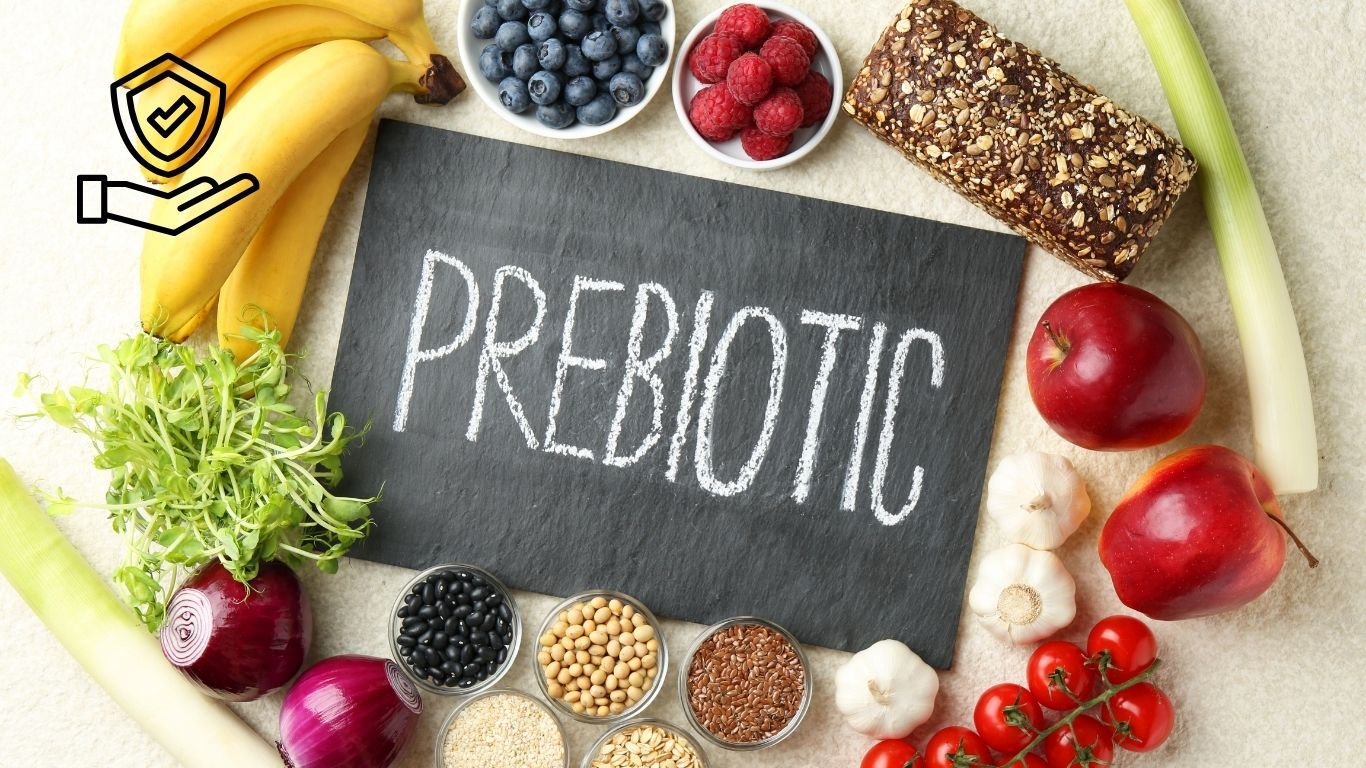
Prebiotic-Rich Foods
- Garlic
- Onions
- Leeks
- Asparagus
- Bananas
- Oats
- Whole grains
- Apples
- Chia seeds
- Flaxseeds
- Jerusalem artichoke
In 2025, prebiotics are now recognized as essential daily gut nutrients.
4. Key Differences Between Probiotics and Prebiotics
| Feature | Probiotics | Prebiotics |
|---|---|---|
| What they are | Live beneficial bacteria | Food for beneficial bacteria |
| Function | Add new good microbes | Promote growth of existing microbes |
| Benefits | Digestive support, immunity, microbiome balance | Gut nourishment, improved bowel function |
| Sources | Fermented foods, supplements | Fibrous foods, supplements |
| Best for | Restoring gut balance | Strengthening long-term gut health |
In simple terms:
- Probiotics add.
- Prebiotics feed.
Both are important, but they serve different roles in your gut ecosystem.
5. Benefits of Probiotics in 2025
Recent studies show probiotics offer multiple advantages, especially for people with digestive complaints.
1. Improve Digestive Health
Probiotics help manage:
- Bloating
- Gas
- Constipation
- Diarrhea
- Acid reflux
- IBS
They help rebalance bacteria disrupted by stress or poor food choices.
2. Support Immunity
Around 70% of the immune system sits in the gut. Probiotics strengthen:
- Immune response
- Infection resistance
- Recovery from illnesses
3. Reduce Inflammation
Chronic inflammation is linked to obesity, diabetes, and autoimmune conditions. Probiotics help reduce inflammatory markers.
4. Improve Mental Health
The gut-brain axis is now proven. Healthy bacteria improve:
- Mood
- Stress management
- Focus
- Anxiety levels
5. Help in Weight Balance
Certain strains help regulate appetite and fat storage.
6. Restore Gut Flora After Antibiotics
Antibiotics kill both bad and good bacteria. Probiotics restore microbial diversity.
6. Benefits of Prebiotics in 2025
Prebiotics are now a major focus because they ensure long-term microbiome stability.
1. Support Long-Term Gut Strength
Prebiotics do not add bacteria—they strengthen your natural population, making your microbiome resilient.
2. Improve Bowel Regularity
They relieve:
- Constipation
- Irregular bowel movements
- Hard stools
3. Reduce Digestive Discomfort
Since prebiotics feed good bacteria, they help crowd out harmful microbes that cause bloating and indigestion.
4. Enhance Mineral Absorption
Prebiotics make it easier to absorb calcium, magnesium, and iron.
5. Boost Immunity
SCFAs created by prebiotics strengthen the intestinal barrier.
6. Improve Metabolism
They support better blood sugar control and reduced inflammation.
7. Should You Take Probiotics or Prebiotics in 2025?
Choosing between the two depends on your goals and current digestive condition.
You Should Take Probiotics If You:
- Experience frequent bloating or indigestion
- Recently took antibiotics
- Have IBS or irregular digestion
- Deal with chronic stress
- Have low immunity
- Experience frequent infections
- Have difficulty digesting dairy
These conditions suggest your gut bacteria may be imbalanced, so probiotics help restore harmony.
You Should Take Prebiotics If You:
- Want long-term gut health improvement
- Struggle with constipation
- Have a low-fiber diet
- Want to support weight management
- Experience slow metabolism
- Want natural immune support
- Want to improve mineral absorption
Prebiotics are especially beneficial for sustainable microbiome growth.
You Should Take Both (Synbiotics) If You:
Many people benefit from taking both together—known as synbiotics.
Take both if you:
- Want complete microbiome support
- Struggle with chronic digestive issues
- Want to enhance mood and energy
- Have high stress levels
- Eat a low-fiber or modern processed diet
- Want to improve gut-immunity connection in 2025
8. How to Take Probiotics Safely in 2025
Dosage
Most adults benefit from 10–20 billion CFUs daily.
Best Time
Morning or with meals.
Check for These Features
- Multiple strains
- Delayed-release capsules
- Third-party tested
- Refrigeration (if required)
- Allergen-free
9. How to Take Prebiotics Safely in 2025
Dosage
Start low: 2–3 grams per day
Increase gradually to avoid gas or bloating.
Best Time
Any time of day, usually with food.
Important Tip
Drink enough water to avoid discomfort.
10. Can Probiotics and Prebiotics Cause Side Effects?
Probiotics May Cause:
- Mild gas
- Temporary bloating
- Slight stomach discomfort
These usually disappear after 3–7 days.
Prebiotics May Cause:
If taken in large quantities too quickly:
- Gas
- Bloating
- Cramping
Start slow and increase gradually.
11. Probiotics vs. Prebiotics: What You Should Take in 2025 (Final Recommendation)
If you want quick relief from digestive symptoms such as bloating, constipation, indigestion, or post-antibiotic issues, probiotics are your first step.
If your goal is long-term gut strength, improved metabolism, better immunity, and balanced digestion, prebiotics should be part of your daily routine.
For the most comprehensive gut support in 2025, the best choice is:
Take Both Together.
Probiotics introduce new beneficial bacteria.
Prebiotics feed and strengthen them.
When combined, they create a strong, diverse, and resilient gut microbiome that supports overall health, mood, digestion, immunity, and energy.
12. Conclusion
The debate between probiotics and prebiotics is not about choosing one over the other—it is about understanding how they work and what your body needs. In 2025, gut health research clearly shows that a balanced microbiome is essential for optimal well-being. Probiotics help restore and introduce beneficial bacteria, while prebiotics nourish and strengthen them.
If you want better digestion, stronger immunity, improved mood, and a healthier lifestyle, integrating both probiotics and prebiotics will give you the most powerful results. With consistent use, a balanced diet, hydration, and stress-free living, your gut can truly thrive in 2025 and beyond.