
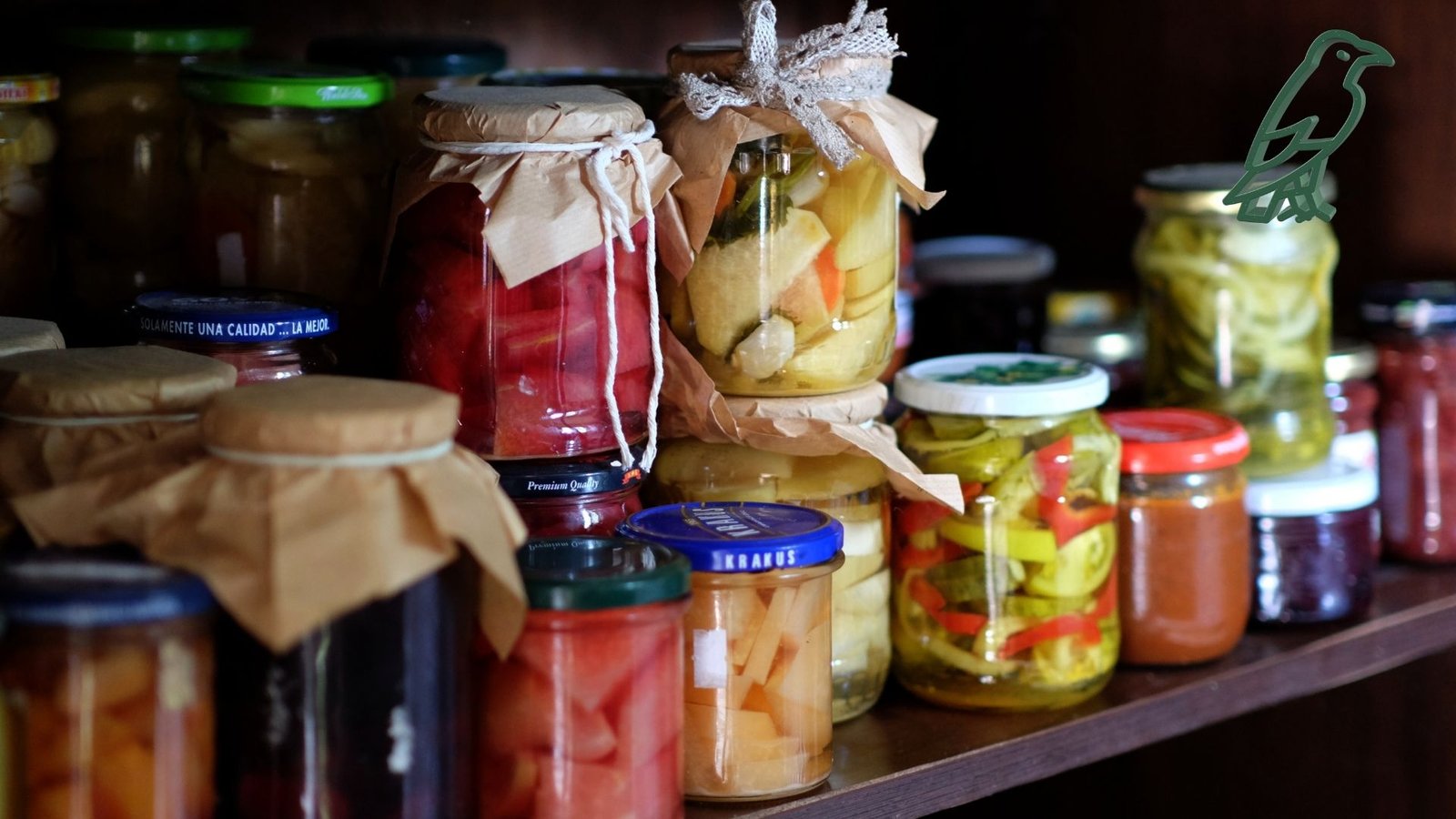
introduction
Fermented foods have been part of traditional diets for thousands of years, but only in recent years have parents started paying closer attention to their benefits for children’s health. As gut health research grows, experts now emphasize one major fact: a child’s digestive system and immune system are directly linked. When the gut is balanced with beneficial bacteria, kids experience fewer digestive problems, stronger immunity, better nutrient absorption, and even improved mood and behavior.
Fermented foods are one of the easiest and safest ways to naturally support a child’s developing gut microbiome. They are rich in probiotics, enzymes, and bioactive compounds that help digestion and overall wellness. But many parents still wonder: Are fermented foods safe for kids? Which ones should I give? How much is enough? How do I introduce them without causing digestive upset?
This guide answers all those questions and more, helping you confidently add fermented foods to your child’s diet in 2025.
1. What Are Fermented Foods?
Fermented foods are foods that undergo a natural process where bacteria, yeast, or other microorganisms break down sugars and starches. This process creates beneficial bacteria—also called probiotics—along with vitamins, enzymes, and organic acids.
Examples include:
- Yogurt
- Kefir
- Sauerkraut
- Kimchi
- Tempeh
- Miso
- Fermented pickles
- Kombucha (in small amounts for older kids)
- Idli, dosa batter
- Fermented porridges like ogi
- Cheese (naturally aged, not processed)
During fermentation, microorganisms transform the food, making it easier to digest while increasing its nutritional value.
For kids, this means:
- Better digestion
- Improved nutrient absorption
- A stronger immune response
- Less constipation, gas, and bloating
- Balanced gut microbiome
2. Why Fermented Foods Are Important for Kids’ Gut Health
The gut is the center of many vital processes in a child’s body. A healthy gut helps fight infections, regulate metabolism, and even influence brain function. Fermented foods give children a gentle and natural way to maintain this balance.
Key benefits include:
1. Stronger Immunity
More than 70% of the immune system lives inside the gut. Probiotics support immune cells, boost antibody production, and help the body respond better to infections. Kids who consume fermented foods regularly often experience fewer colds, faster recovery, and improved resilience against seasonal illnesses.
2. Better Digestion & Reduced Discomfort
Fermented foods contain enzymes that help break down proteins, fats, and carbohydrates. This makes digestion easier and prevents:
- Gas
- Bloating
- Constipation
- Diarrhea
- Indigestion
Kids with sensitive stomachs or food intolerances often benefit the most.
3. Improved Nutrient Absorption
Fermentation increases the bioavailability of nutrients like:
- B-vitamins
- Vitamin K2
- Iron
- Calcium
- Zinc
This means children absorb more nutrients from the foods they eat.
4. Support for Brain Development
A healthy gut supports a healthy brain through the gut–brain axis. Probiotics can positively influence:
- Mood
- Concentration
- Memory
- Sleep quality
This is especially helpful for school-age children.
5. Reduced Risk of Allergies & Inflammation
Research shows that probiotic-rich diets may reduce childhood allergies, eczema, and inflammation by regulating the immune system.
6. A Healthy Relationship with Food
Introducing fermented foods early in life helps children develop diverse taste preferences and encourages more adventurous eating habits.
3. Best Fermented Foods for Kids (Safe & Kid-Friendly Options)
Not all fermented foods are ideal for young children, but many gentle, probiotic-rich options fit perfectly into a child’s diet.
1. Yogurt (Plain, Unsweetened)
Yogurt is one of the easiest and safest fermented foods for kids. It contains beneficial bacteria such as Lactobacillus and Bifidobacterium, which support digestion and immunity.
Why it’s great for kids:
- Easy to digest
- Calcium- and protein-rich
- Versatile (smoothies, snacks, breakfast bowls)
Choose yogurt with no added sugars for best gut benefits.
2. Kefir
Kefir is a fermented milk drink containing up to 30 strains of good bacteria and yeasts—more than yogurt.
Benefits for kids:
- Supports digestion
- Helps with constipation
- Strengthens immunity
It has a tangy taste, so you may need to mix it with fruit initially.
3. Sauerkraut (Mild & Unsalted Versions)
Sauerkraut is fermented cabbage rich in fiber and probiotics. For younger kids, choose lightly flavored, low-salt versions.
How to serve:
Mix with rice, add to soups, or serve a teaspoon alongside a main meal.
4. Fermented Pickles (Natural Brine, Not Vinegar)
Only pickles fermented in salt brine, not vinegar, contain live probiotics.
Kid-friendly tip:
Choose pickle slices with mild seasoning to avoid strong flavors.
5. Idli & Dosa Batter
Traditional Indian fermented batter made from rice and lentils is mild, soft, and ideal for kids.
Why it works:
- Easy to digest
- Soft texture
- Gentle probiotic exposure
6. Tempeh
Tempeh is fermented soybeans, offering protein, probiotics, and fiber.
Best for:
Kids above age 5
Serve in small cubes or lightly seasoned stir-fries.
7. Miso
A Japanese fermented paste made from soybeans and grains.
How to use:
Add a small spoon to soups and broths.
8. Cheese (Aged, Natural)
Some natural cheeses such as:
- Cheddar
- Gouda
- Mozzarella
- Swiss
contain live cultures and support gut health.
9. Kombucha (For Older Kids Only)
Kombucha contains probiotics but also trace amounts of caffeine and natural acids.
Recommendation:
- Suitable for kids over 10
- Limit to 2–4 ounces at a time
4. How Much Fermented Food Should Kids Eat? (Age-Wise Guide)
Fermented foods should be introduced slowly. Here is a safe daily guideline:
Ages 1–3
- 1–2 teaspoons of yogurt or kefir
- Fermented foods added 2–3 times per week
Ages 4–7
- 2–3 tablespoons daily
- Yogurt, kefir, dosa, and mild sauerkraut are best
Ages 8–12
- ¼ cup daily
- Include fermented vegetables, pickles, miso
Teens (13+)
- ½ cup daily
- Variety recommended: kefir, sauerkraut, kombucha (small amounts)
Always monitor for digestive changes when introducing new foods.
5. How to Introduce Fermented Foods to Kids Without Digestive Upset
Many parents worry that fermented foods might cause gas or diarrhea. These reactions are normal if the gut is adjusting to new probiotics, but you can avoid discomfort with a slow and structured introduction.
Tips for smooth introduction:
1. Start Small
Begin with one teaspoon and increase gradually every few days.
2. Choose Mild Flavors First
Start with yogurt, kefir, or idli before offering stronger flavors like kimchi.
3. Mix With Familiar Foods
Examples:
- Stir yogurt into smoothies
- Add sauerkraut juice to soup
- Mix kefir with fruit puree
4. Avoid Giving Multiple Fermented Foods on the Same Day
This prevents overwhelming the gut.
5. Watch for Signs of Intolerance
Stop or reduce serving size if your child experiences:
- Stomach cramps
- Loose stools
- Too much gas
6. Stay Consistent
Daily small servings offer the best long-term benefits.
6. Top Health Benefits of Fermented Foods for Kids in 2025
Based on current nutritional trends and updated research, here are the most impactful benefits for kids today.
1. Builds a Stronger Gut Microbiome
A diverse gut microbiome helps prevent chronic illnesses, allergies, and digestive issues.
Fermented foods naturally support microbial diversity.
2. Fewer Sick Days
Probiotics boost immunity, reducing the frequency and severity of:
- Colds
- Flu
- Stomach infections
3. Better Focus and Mood
The gut influences neurotransmitters, including serotonin. Kids with balanced gut bacteria often show improved:
- Mood stability
- Behavior
- Focus in school
4. Improved Skin Health
Fermented foods can reduce inflammation linked to:
- Eczema
- Acne (in teens)
- Allergic skin reactions
5. Stronger Bones
Calcium, vitamin K2, and enzymes found in fermented foods support bone development—especially important during growth spurts.
6. Better Digestion and Regular Bowel Movements
Kids with constipation often see benefits within a few weeks of adding fermented foods.
7. Easy Fermented Recipes for Kids
Here are simple kid-friendly recipes that are gentle and flavorful.
1. Yogurt Fruit Parfait
Ingredients:
- Plain yogurt
- Banana slices
- Berries
- A drizzle of honey (for kids over age 1)
Instructions:
Layer yogurt and fruits for a sweet, probiotic-rich snack.
2. Kefir Smoothie
Ingredients:
- Kefir
- Mango or strawberry
- One date for sweetness
Blend and serve chilled.
3. Mild Sauerkraut Rice
Mix one teaspoon of sauerkraut into warm rice with butter.
4. Idli with Mild Chutney
Soft idlis are perfect fermented breakfast items.
5. Cheese & Veggie Wrap
Use mild probiotic-rich cheese with cooked vegetables in a whole-wheat wrap.
8. Safety Tips for Parents
Fermented foods are generally safe for children, but a few precautions make them even safer.
1. Choose Quality Products
Always buy:
- Pasteurized milk-based products
- Fresh sauerkraut (not canned)
- Natural brine pickles
2. Avoid High-Sodium Fermented Foods for Young Kids
Rinse sauerkraut or pickles to reduce salt content.
3. Keep Portions Small
Too much too quickly may cause digestive discomfort.
4. Introduce One Food at a Time
This helps you watch for reactions.
5. Avoid Unpasteurized Fermented Foods for Toddlers
Their immune systems are still developing.
6. Be Careful With Kombucha
Limit intake due to caffeine and natural acids.
9. Common Questions Parents Ask
1. Can babies eat fermented foods?
Babies under 1 should not eat most fermented foods, except small amounts of yogurt recommended by pediatricians.
2. Do fermented foods cure digestive issues?
They help improve symptoms but are not a cure. A balanced diet and hydration are also essential.
3. Can fermented foods cause gas?
Yes, temporarily. This is normal as the gut adjusts.
4. Are pickles healthy for kids?
Only natural fermented pickles—not vinegar varieties—offer probiotics.
10. Conclusion: A Small Daily Serving Makes a Big Difference
Fermented foods are powerful tools for strengthening your child’s digestion, immunity, and overall wellness. Whether you choose yogurt, kefir, idli, sauerkraut, miso, or cheese, the key is consistency. Introducing small servings daily can transform gut health and support healthy growth.
In 2025, as more parents focus on natural, science-backed wellness, fermented foods remain one of the easiest ways to boost a child’s health from the inside out. Start slow, keep it simple, and watch your child enjoy better digestion, brighter energy, and stronger immunity—naturally.